
The Florios’ working world
The Florios of SicilyThis flow traces work as the Florios’ source of dignity, identity, and power, while revealing the toll of making labor the center of family life.
increasing Bearing strength in each event
 decreasing
Bearing strength in each eventdecreasingWork as survival
Work as survival
Starting from a shop
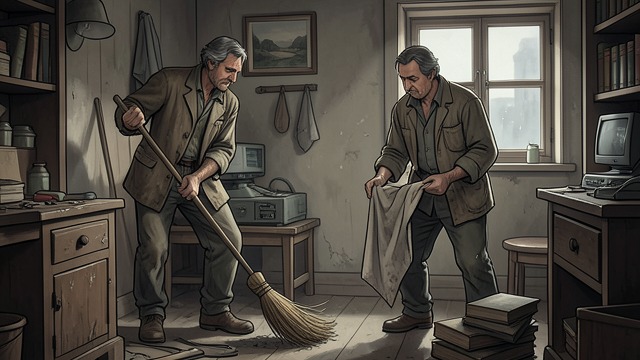
Paolo Florio and Ignazio Florio clean a moldy store, repair shelves, and wait for customers. Their early labor is physical, uncertain, and watched by competitors who expect them to fail.
Work earns trust
The brothers build a customer base by sourcing quality goods and treating people with respect. Labor becomes a means of survival and a claim to dignity in a city that still calls them outsiders.
The business grows from effort, but the cost is time and attention diverted from the household.
Work as identity

Work as identity
Expansion without rest
Vincenzo Florio expands into new goods and technologies, learns from England, and takes on increasingly ambitious projects. The business becomes the measure by which he evaluates himself and others.
Family pushed aside
His mother Giuseppina feels excluded from his commercial world, while his daughters recognize that their brother receives the attention of an heir. Giulia must repeatedly insist that family life is more than the business.
Work gives the Florios power and purpose, but its centrality also creates emotional absences that money cannot repair.
The limit of a lifetime

The limit of a lifetime
The body’s refusal
A stroke prevents Vincenzo Florio from continuing his usual work. The man who treated effort as control must accept care from others and transfer leadership to his son.
A final measure
In his last days, Vincenzo asks Giulia whether he gave her enough. His question reveals that the meaning of a life cannot be measured only by the company he built.
The end complicates his faith in work: it has made the family powerful, but it has not answered whether the people beside him felt loved.
1799 to 1800
1810s to 1840s
1868
